




 1800 556 777
You're an employee.
Your employer's public liability may cover the shifts it rosters you on. Ask it, in writing, whether it covers any private work too.

Who we cover
Tell us what support you give, and a broker will ask insurers to quote for you.
1800 556 777Get a quoteTypes of insurance
Tell us what support you give, and a broker will ask insurers to quote for you.
1800 556 777Get a quoteGuides
Tell us what support you give, and a broker will ask insurers to quote for you.
1800 556 777Get a quoteCovers: public liability
Public liability is the cover for accidents that hurt other people or damage their things while you're working.
If you're a registered NDIS provider, you're audited against the NDIS Practice Standards. They name public liability with professional indemnity and accident insurance.
We arrange public liability for support workers and NDIS providers with insurers, in your name or your business's name.
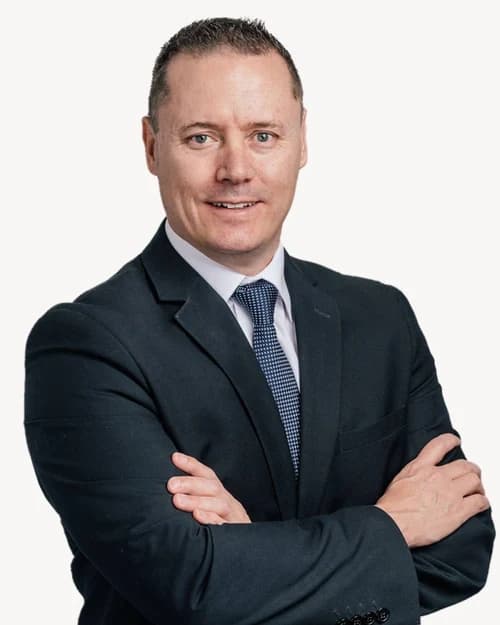
Reviewed by Frans du Plessis, founder of Grace Insurance
Diploma in Broking, Fellow CIP · Last reviewed 30 October 2026
Public liability pays for claims made against you by someone else. That might be a participant, their family or a member of the public.
It covers two kinds of harm:
Someone is hurt because of something you did, or didn't do, while working.
Something you do while working damages someone's home or belongings.
The insurer's policy document sets out exactly what's included.
These are made-up examples of the kind of claim public liability is for.
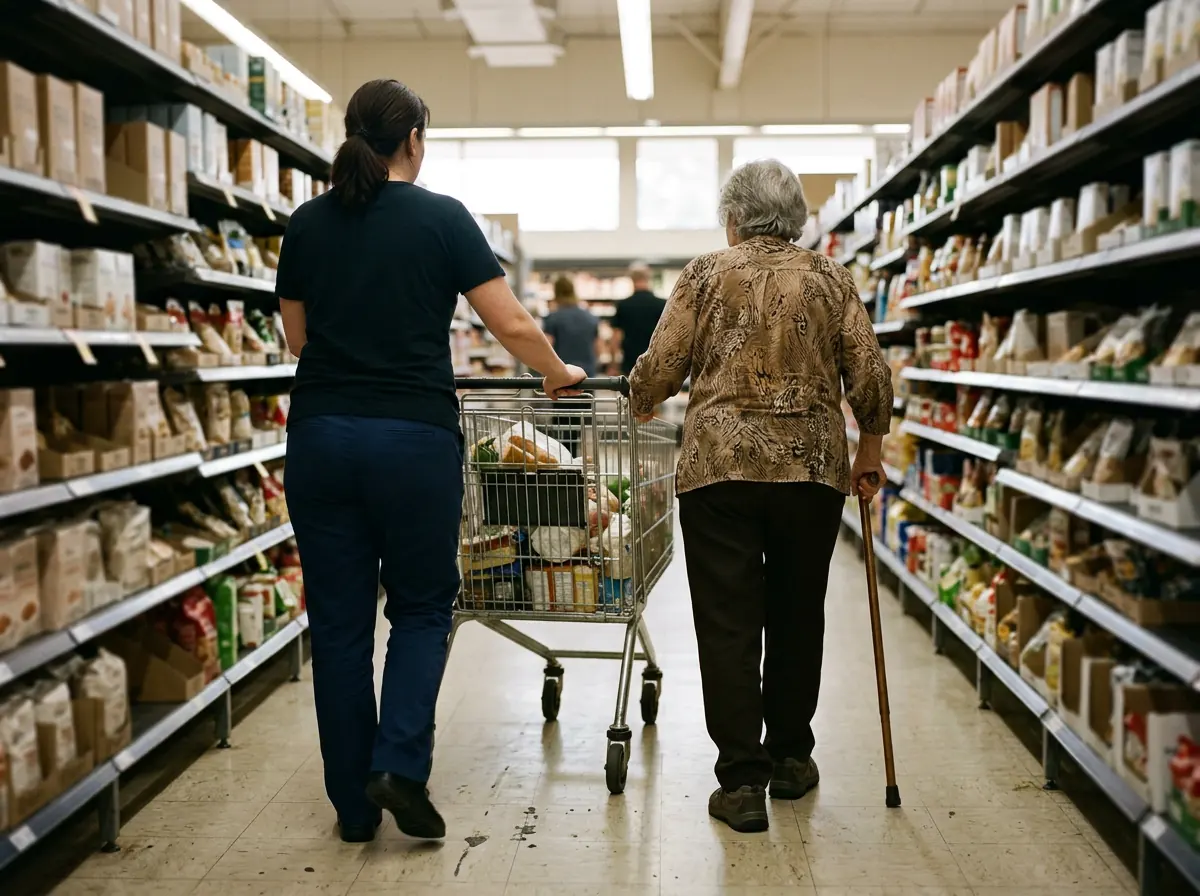
You're pushing a trolley at the shops with a participant and it clips another shopper's ankle. They fall, hurt their hip and make a claim against you.
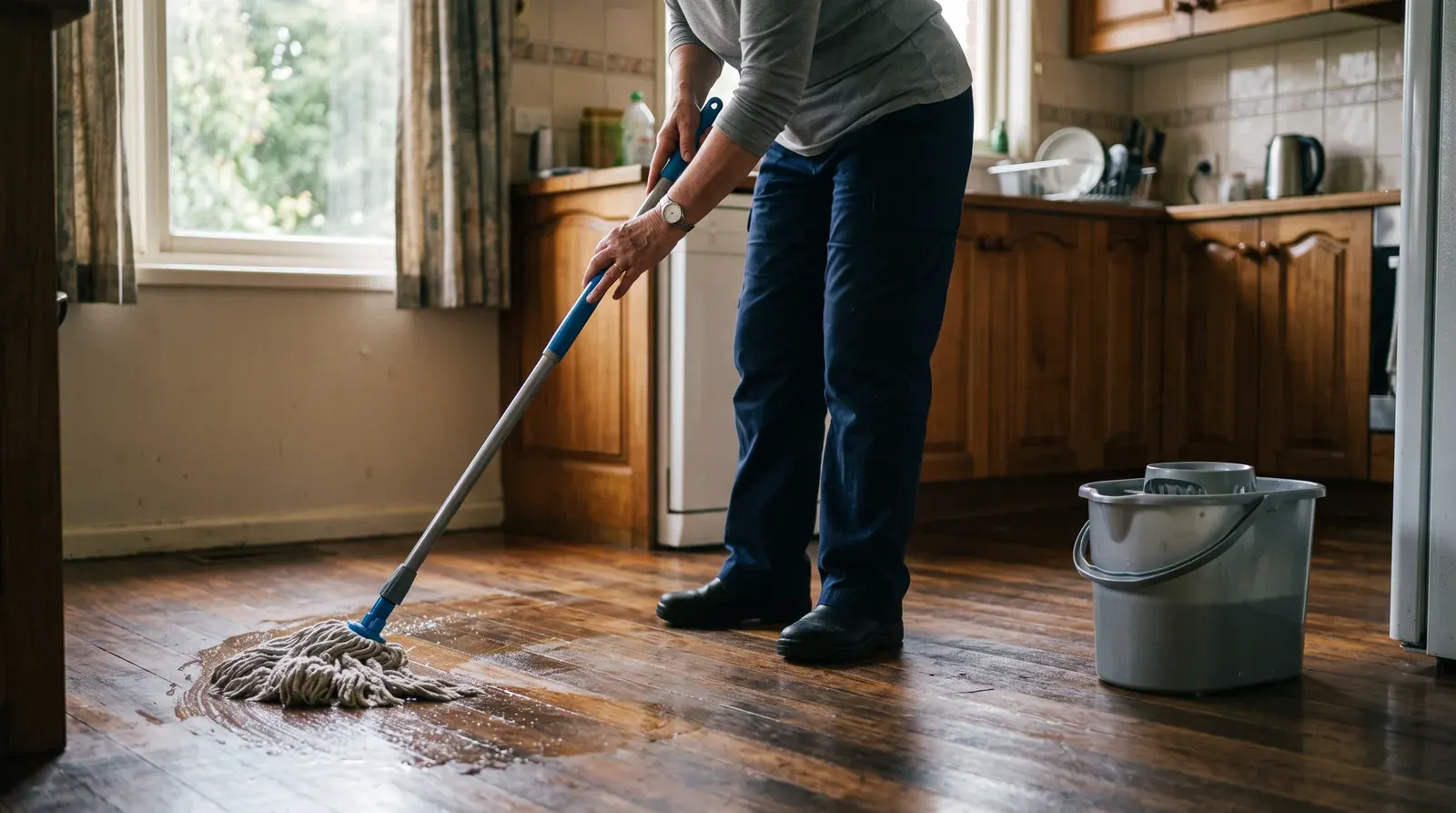
You're mopping the kitchen and water gets under the floorboards. The participant's family asks you to pay for the repair.
You're making a cup of tea and it spills on a participant's laptop. The laptop stops working.
Public liability is for harm to other people and their property. These sit under other covers:
Check the exclusions, the things the policy won't pay for, before you choose. The insurer lists them in the policy document, and we can go through them with you.
The NDIS Practice Standards don't set an amount. They say:
“Appropriate insurance is in place, including professional indemnity, public liability and accident insurance.”NDIS Practice Standards
Your limit is the most the insurer will pay for a claim. You may be asked for a set limit in any of these:
Get the amount in writing and send it to us with your details. If no one has named one, we'll talk you through the limits insurers offer for your work.
The limit is one of the things that changes your price. Read what support worker insurance costs.
Your employer's public liability may cover the shifts it rosters you on. Ask it, in writing, whether it covers any private work too.
Any public liability you take out is in your own name. If you also work through a platform, read its insurance terms. Its cover may only apply to shifts booked and invoiced through the platform.
When you also work through a platformThe policy is in your business's name and should cover the support your staff deliver. It's one of the policies your auditor checks.
What we'll ask to quote public liability
Send your details and we'll ask insurers to quote public liability for the work you do.
An insurance broker that arranges cover for NDIS support workers and providers, Australia-wide.
The Practice Standards name public liability among the insurance registered providers should have in place. If you're not registered, a participant, agency or platform can still make it part of your agreement with them.
No. Mistakes in care or advice, like a missed note that leads to the wrong support, come under professional indemnity. Public liability is for accidents, like a fall or a broken window.
No. It covers harm to other people and their property. We can also arrange personal accident and income protection, the covers for your own injuries.
Yes. If you work on an ABN, we can arrange public liability in your own name. Tell us whether you work in people's homes, out in the community or both, so the policy describes that.